WhatsApp Needs Temporary Contacts

Messaging
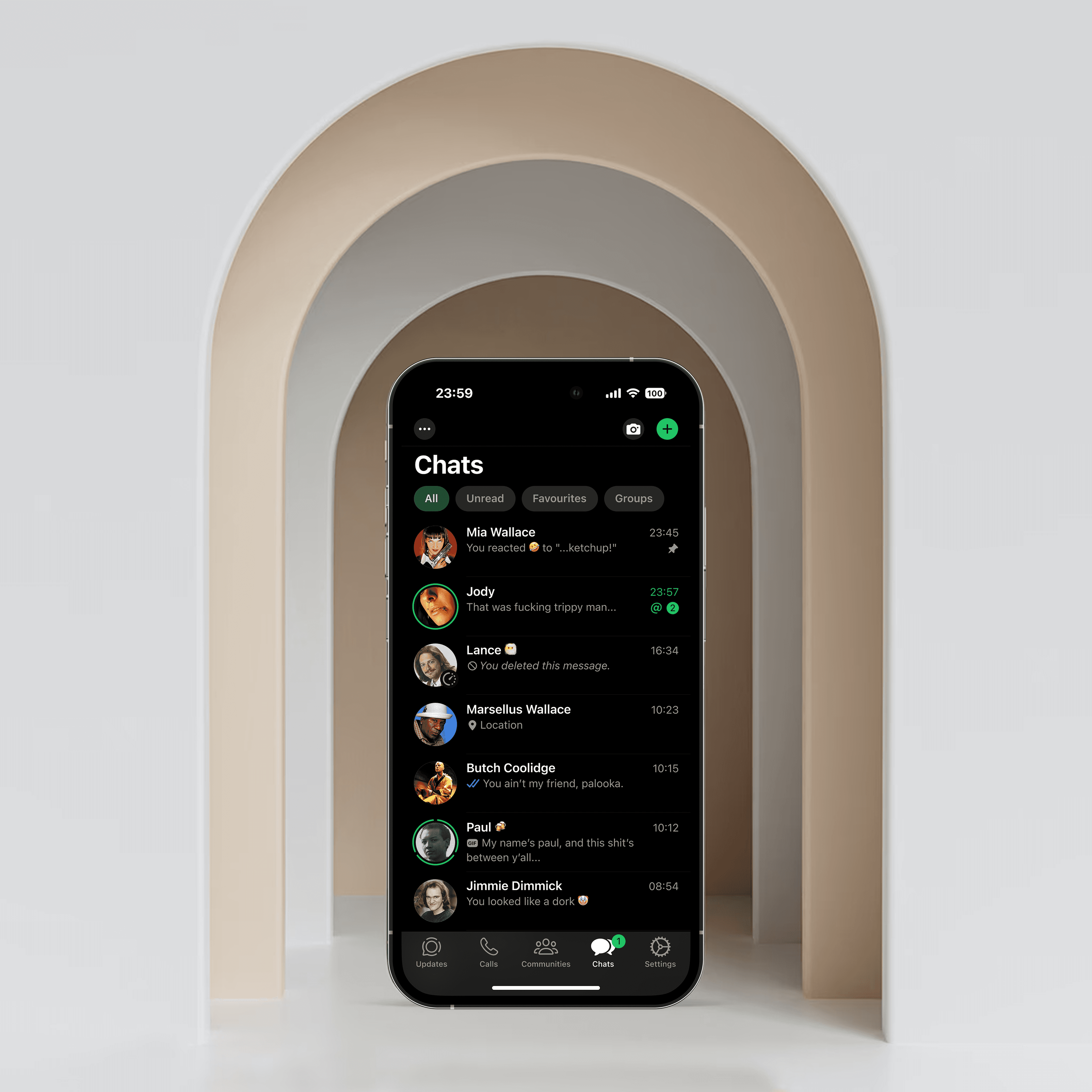
📱WhatsApp Needs Temporary Contacts — So I Designed it 🙂

Because not every number deserves a permanent place in your contacts

[Project Overview]

If you’ve ever saved a number like “Amazon Delivery Guy” and never used it again — you know the problem. So I designed a Temporary Contact Mode for WhatsApp. 😎

[Problem Statement]

Users often need to have short, one-time conversations on WhatsApp without permanently saving the contact. While WhatsApp technically allows chatting without saving a number by copying and pasting it into the search bar, this flow is unintuitive, hidden, and easily missed. As a result, users experience confusion and end up cluttering their phonebooks with temporary contacts they don’t actually want to save.

[Industry]

Messaging

[My Role]

UX designer

[Platforms]

Ios and Android

[Timeline]

June 2025

[Persona]

Jhon Roberts

Marketing Manager

Age: 29

Location: New York City

Tech Proficiency: Moderate

Gender: Male

[Goal]

Quickly complete purchases without interruptions.

Access accurate product details and a seamless payment process.

Trust the platform with his payment and personal information.

[Frustrations]

Quickly complete purchases without interruptions.

Access accurate product details and a seamless payment process.

Trust the platform with his payment and personal information.

[Process]

[01] User Research

Conducted interviews with 15 frequent users to uncover frustrations and preferences.

Analyzed behavioral data to identify bottlenecks in the current flow.

Benchmarked against competitors to identify best practices for checkout flows.

[01] User Research

Conducted interviews with 15 frequent users to uncover frustrations and preferences.

Analyzed behavioral data to identify bottlenecks in the current flow.

Benchmarked against competitors to identify best practices for checkout flows.

[01] User Research

Conducted interviews with 15 frequent users to uncover frustrations and preferences.

Analyzed behavioral data to identify bottlenecks in the current flow.

Benchmarked against competitors to identify best practices for checkout flows.

[01] User Research

Conducted interviews with 15 frequent users to uncover frustrations and preferences.

Analyzed behavioral data to identify bottlenecks in the current flow.

Benchmarked against competitors to identify best practices for checkout flows.

[01] User Research

Conducted interviews with 15 frequent users to uncover frustrations and preferences.

Analyzed behavioral data to identify bottlenecks in the current flow.

Benchmarked against competitors to identify best practices for checkout flows.

[01] User Research

Conducted interviews with 15 frequent users to uncover frustrations and preferences.

Analyzed behavioral data to identify bottlenecks in the current flow.

Benchmarked against competitors to identify best practices for checkout flows.

[01] User Research

Conducted interviews with 15 frequent users to uncover frustrations and preferences.

Analyzed behavioral data to identify bottlenecks in the current flow.

Benchmarked against competitors to identify best practices for checkout flows.

[01] User Research

Conducted interviews with 15 frequent users to uncover frustrations and preferences.

Analyzed behavioral data to identify bottlenecks in the current flow.

Benchmarked against competitors to identify best practices for checkout flows.

[01] User Research

Conducted interviews with 15 frequent users to uncover frustrations and preferences.

Analyzed behavioral data to identify bottlenecks in the current flow.

Benchmarked against competitors to identify best practices for checkout flows.

[01] User Research

Conducted interviews with 15 frequent users to uncover frustrations and preferences.

Analyzed behavioral data to identify bottlenecks in the current flow.

Benchmarked against competitors to identify best practices for checkout flows.

[01] User Research

Conducted interviews with 15 frequent users to uncover frustrations and preferences.

Analyzed behavioral data to identify bottlenecks in the current flow.

Benchmarked against competitors to identify best practices for checkout flows.

[01] User Research

Conducted interviews with 15 frequent users to uncover frustrations and preferences.

Analyzed behavioral data to identify bottlenecks in the current flow.

Benchmarked against competitors to identify best practices for checkout flows.

[Outcome]

25% increase in checkout completion rates.
30% reduction in cart abandonment on mobile devices.

[Key Learnings]

Human-Centered Approach

Designing experiences that prioritize user needs and behaviors.

Human-Centered Approach

Designing experiences that prioritize user needs and behaviors.

Human-Centered Approach

Designing experiences that prioritize user needs and behaviors.

Human-Centered Approach

Designing experiences that prioritize user needs and behaviors.

Human-Centered Approach

Designing experiences that prioritize user needs and behaviors.

Human-Centered Approach

Designing experiences that prioritize user needs and behaviors.

Human-Centered Approach

Designing experiences that prioritize user needs and behaviors.

Human-Centered Approach

Designing experiences that prioritize user needs and behaviors.

Human-Centered Approach

Designing experiences that prioritize user needs and behaviors.

Select this text to see the highlight effect